Wars of the Roses

King Henry VI of England at Towton

Drawing of Henry from the Rous Roll, c. 1483

Image for battles of the Wars of the Roses where York was victorious.

"The Rival Roses" (Wars of the Roses, scene after Shakespeare) engraved by F.A.Heath after a picture by John Pettie, published in The Art Journal, 1874. Steel engraved print. Size 25 x 19.5 cms including title, plus margins.
Timeline for a better understanding of the Wars of the Two Roses. Print on A2 or A3-paper

Drawing of Anne from the Rous Roll, c. 1483
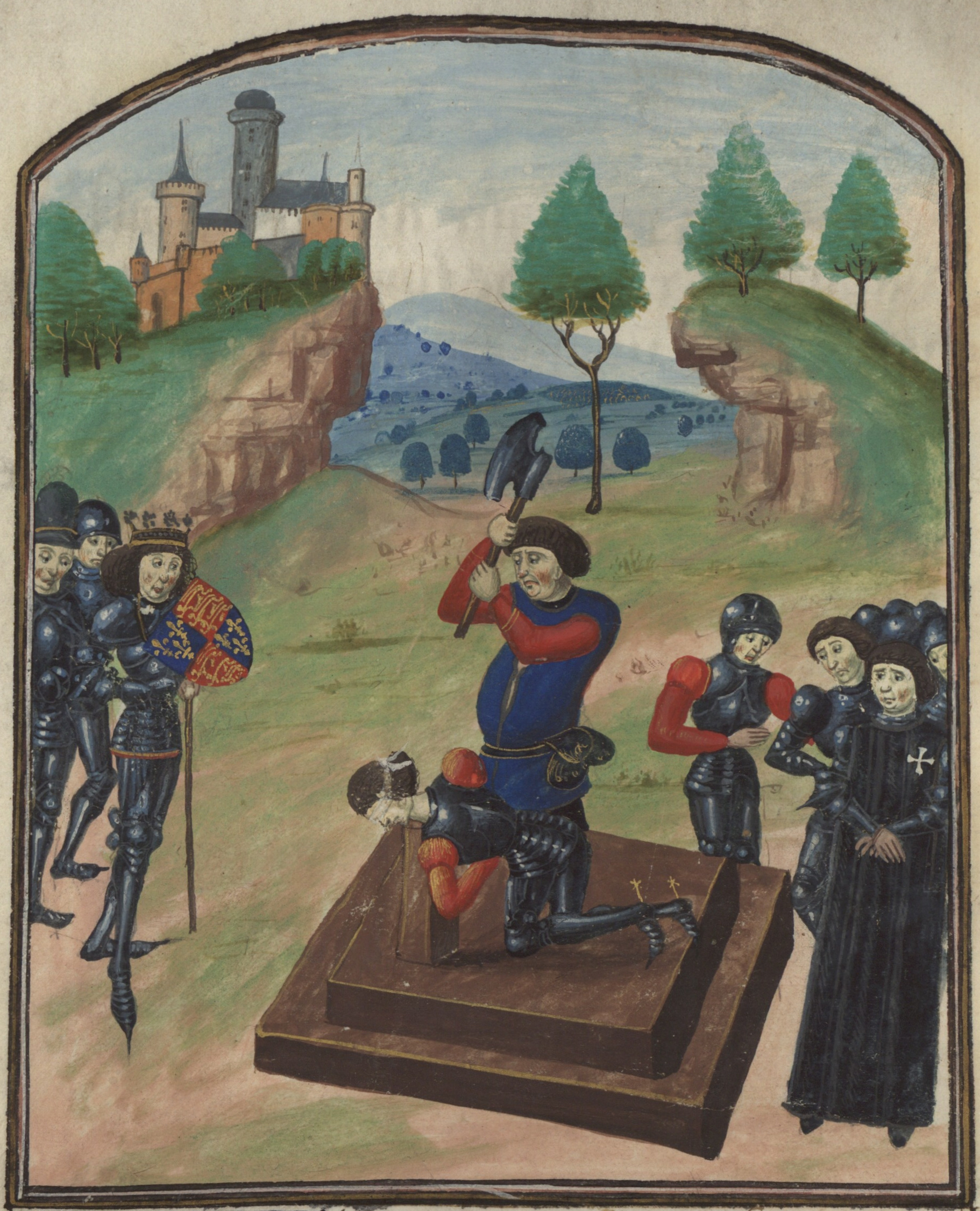
Beheading of the Edmund Beaufort, 4th Duke of Somerset in 1471 at Tewkesbury. Edward IV watches. Illuminated miniature from Histoire de la rentrée victorieuse du roi Edouard IV en son royaume d'Angleterre

Game of 1835 entitled The wars of the roses. A new game; "Entd. Sta. Hall". Has separate box with counters, teetotum, spinner and rules. There are 2 boxes of counters in the Johnson Collection; Wars of the roses. A new game

Sources: Base map from File:England location map.svg (trimmed) Locations sourced to Goodman, A. (1996) The Wars of the Roses (2nd ed.), Category:New York: Barnes and Noble, pp. 14−15, 54 ISBN: 978-0-88029-484-3. and Spence, R. T. (1994) The Shepherd Lord of Skipton Castle: Henry Clifford 10th Lord Clifford 1454-1523, Skipton: Skipton Castle, pp. 2, 3 ISBN: 978-0-95069-752-9.

Diagram showing the descent of the Courtenay Earls of Devon during the Wars of the Roses

Diagram showing the descent of the Courtenay Earls of Devon during the Wars of the Roses

Depiction of Eleanor from the Rous Roll, c. 1483
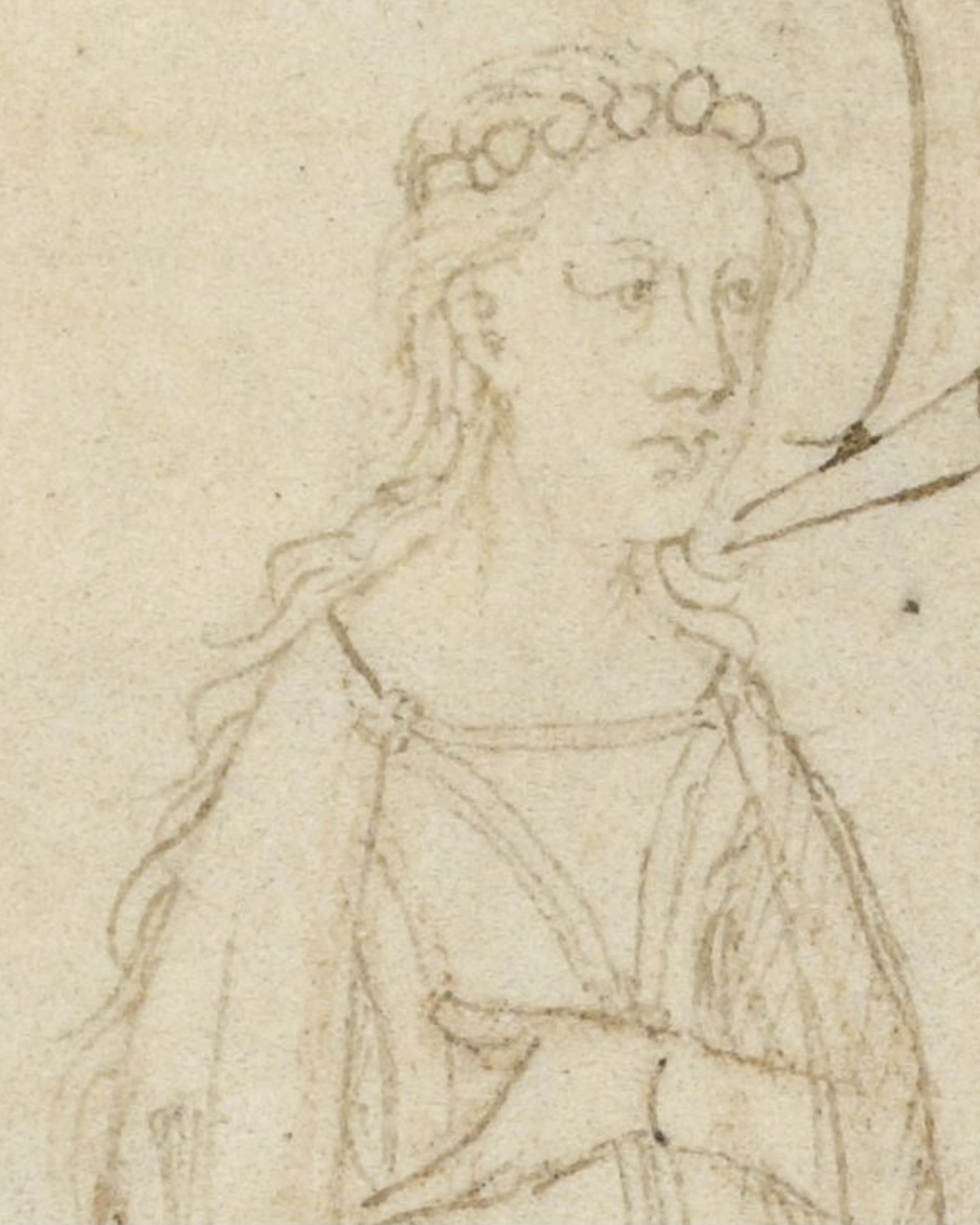
Drawing of Elizabeth from the Beauchamp Pageant, c. 1483-1494
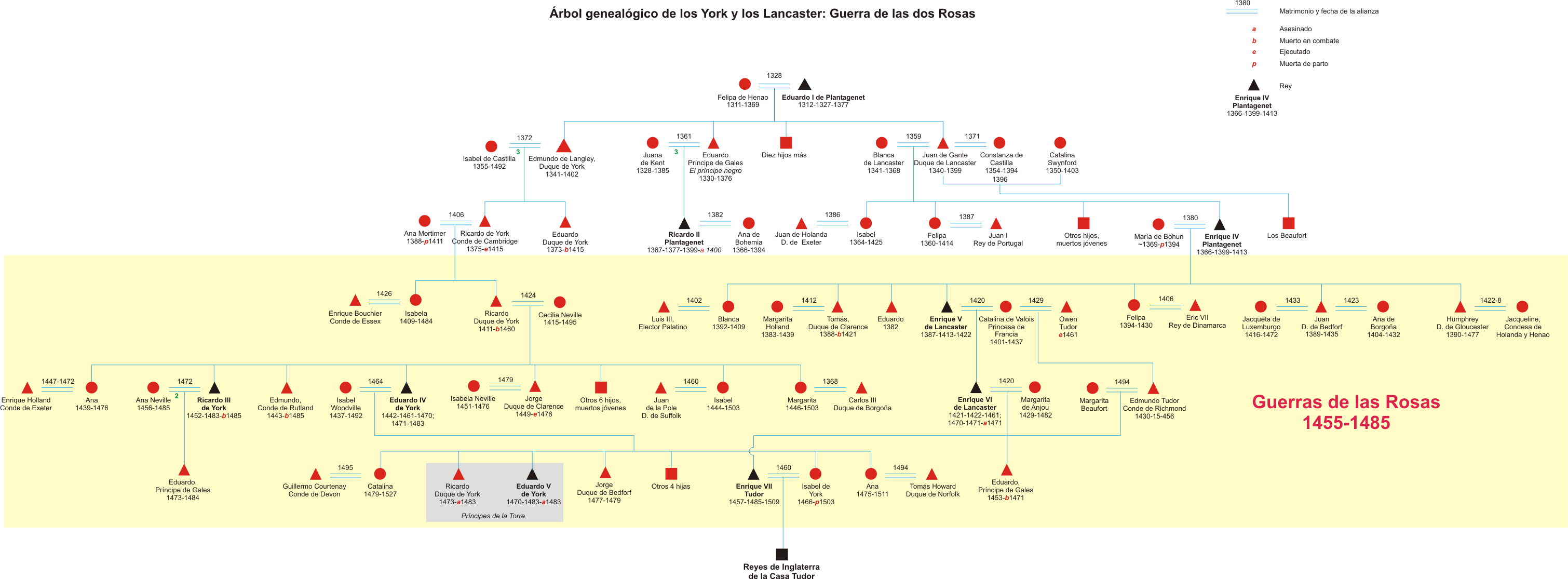
GuerraRosasÁrbolGenealógico

Family and Political Connections of the Subjects of Ieuan Deulwyn's Poetry

Drawing of Isabel from the Beauchamp Pageant, c. 1483-1494
![Portrayal of Shakespeare's version (Act V, Scene ii, of Henry VI, Part 3) of the Earl of Warwick's death at the Battle of Barnet in 1471: this engraving was published in: Shakespeare, William; Knight, Charles (editor), 1872, Imperial Edition of the Works of Shakespeare. Virtue and Company.[1][2]](https://upload.wikimedia.org/wikipedia/commons/2/23/Shakespeare_-_Death_of_Warwick.jpg)
Portrayal of Shakespeare's version (Act V, Scene ii, of Henry VI, Part 3) of the Earl of Warwick's death at the Battle of Barnet in 1471: this engraving was published in: Shakespeare, William; Knight, Charles (editor), 1872, Imperial Edition of the Works of Shakespeare. Virtue and Company.[1][2]

Portrayal of Shakespeare's version (Act V, Scene ii, of Henry VI, Part 3) of the Earl of Warwick's death at the Battle of Barnet in 1471
![Portrayal of Shakespeare's version (Act V, Scene ii, of Henry VI, Part 3) of the Earl of Warwick's death at the Battle of Barnet in 1471: this engraving was published in: Shakespeare, William; Knight, Charles (editor), 1872, Imperial Edition of the Works of Shakespeare. Virtue and Company.[1][2]](https://upload.wikimedia.org/wikipedia/commons/3/3c/The_Death_of_the_Earl_of_Warwick_%28frame%29.jpg)
Portrayal of Shakespeare's version (Act V, Scene ii, of Henry VI, Part 3) of the Earl of Warwick's death at the Battle of Barnet in 1471: this engraving was published in: Shakespeare, William; Knight, Charles (editor), 1872, Imperial Edition of the Works of Shakespeare. Virtue and Company.[1][2]
![Portrayal of Shakespeare's version (Act V, Scene ii, of Henry VI, Part 3) of the Earl of Warwick's death at the Battle of Barnet in 1471: this engraving was published in: Shakespeare, William; Knight, Charles (editor), 1872, Imperial Edition of the Works of Shakespeare. Virtue and Company.[1][2]](https://upload.wikimedia.org/wikipedia/commons/a/ab/The_Death_of_the_Earl_of_Warwick_%28frame%2C_bw%29.jpg)
Portrayal of Shakespeare's version (Act V, Scene ii, of Henry VI, Part 3) of the Earl of Warwick's death at the Battle of Barnet in 1471: this engraving was published in: Shakespeare, William; Knight, Charles (editor), 1872, Imperial Edition of the Works of Shakespeare. Virtue and Company.[1][2]
![Portrayal of Shakespeare's version (Act V, Scene ii, of Henry VI, Part 3) of the Earl of Warwick's death at the Battle of Barnet in 1471: this engraving was published in: Shakespeare, William; Knight, Charles (editor), 1872, Imperial Edition of the Works of Shakespeare. Virtue and Company.[1][2]](https://upload.wikimedia.org/wikipedia/commons/8/89/The_Death_of_the_Earl_of_Warwick.jpg)
Portrayal of Shakespeare's version (Act V, Scene ii, of Henry VI, Part 3) of the Earl of Warwick's death at the Battle of Barnet in 1471: this engraving was published in: Shakespeare, William; Knight, Charles (editor), 1872, Imperial Edition of the Works of Shakespeare. Virtue and Company.[1][2]

Image for battles of the Wars of the Roses where Lancaster was victorious.

Sources: Base map from File:England location map.svg Locations sourced to Goodman, A. (1996) The Wars of the Roses (2nd ed.), Category:New York: Barnes and Noble, pp. 14−15, 54 ISBN: 978-0-88029-484-3.

Statue of Margaret Beaufort, outside the Chapel of St John's College, Cambridge
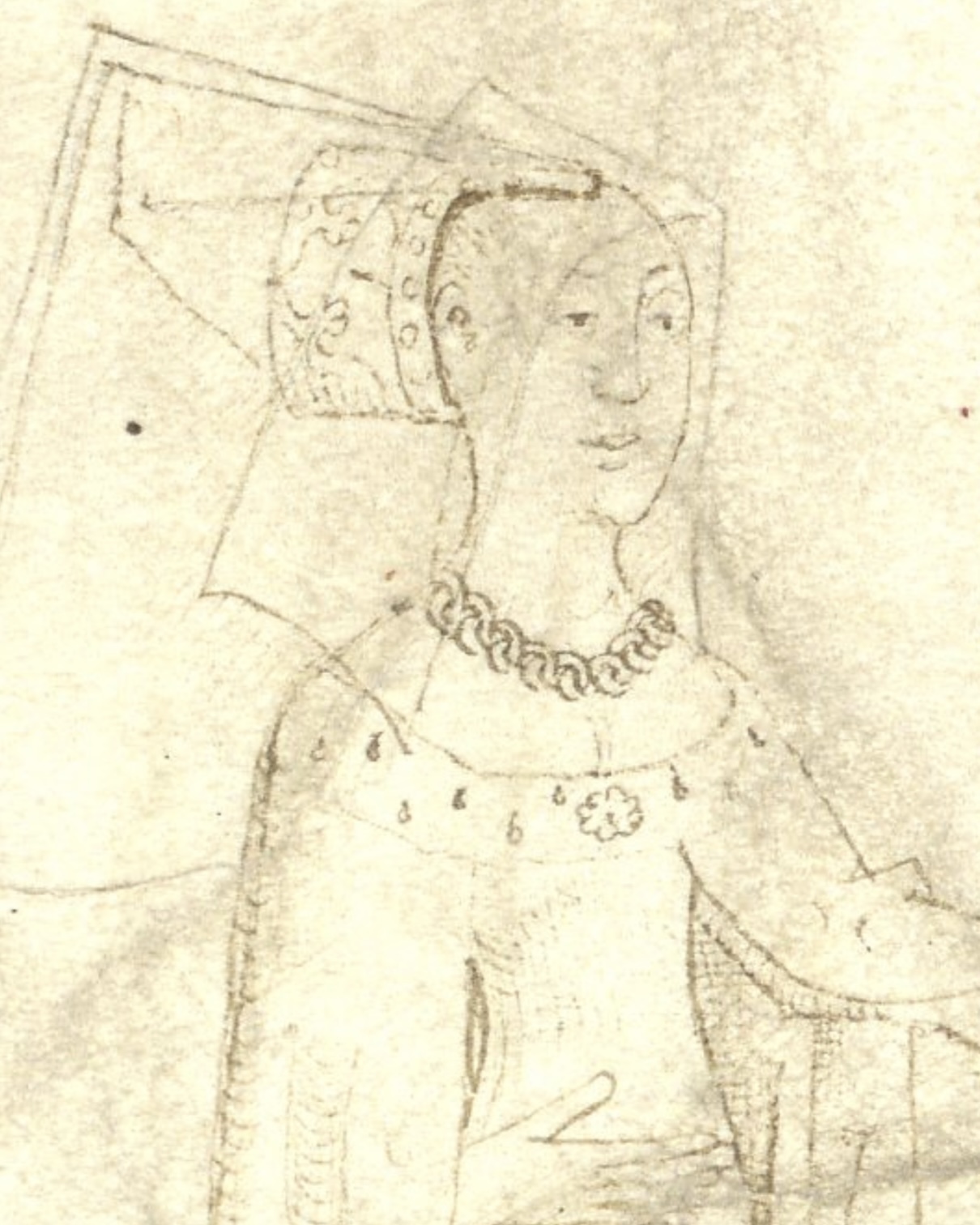
Depiction of Margaret in the Rous Roll, c. 1483
Historical Overview
The Wars of the Roses, known at the time and in following centuries as the Civil Wars, were a series of armed confrontations, machinations, battles and campaigns fought for control of the English throne from 1455 to 1487. The conflict was fought between supporters of the House of Lancaster and House of York, two rival cadet branches of the royal House of Plantagenet. The conflict resulted in the end of Lancaster's male line in 1471, leaving the Tudor family to inherit, through the female line, the Lancaster claim to the throne. Conflict was largely brought to an end upon the union of the two houses through marriage, creating the Tudor dynasty that would subsequently rule England.
Key Battles
First Battle of St Albans
1455England
Battle of Wakefield
1460England
Battle of Towton
1461England
Battle of Tewkesbury
1471England
Battle of Bosworth Field
1485England
Outcome & Quick Facts
Outcome
Victory for the House of York.
Related Literature

Der Bauernkrieg: Deutschlands großer Volksaufstand
