All Battles

Battle of Towton

1461 Yorkshire Feldschlacht

Image for battles of the Wars of the Roses where York was victorious.

Image for battles of the Wars of the Roses where York was victorious.

Author: SodacanLicense:CC-BY-SA-4.0
Source
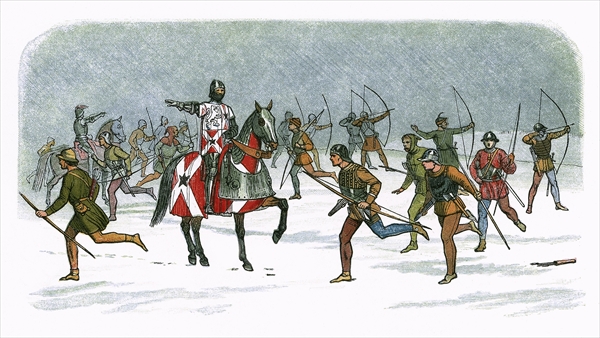
William Neville, Lord Fauconberg, orders his archers to take advantage of the wind and advance closer to shoot at their Lancastrian enemies in the Battle of Towton.

William Neville, Lord Fauconberg, orders his archers to take advantage of the wind and advance closer to shoot at their Lancastrian enemies in the Battle of Towton.

Author: James William Edmund Doyle / Edmund EvansLicense:PD
Source
Henry VI, Act 2, Scene 5: Henry sees a father's grieving over the killing of his son, and a son's grieving over the killing of his father during the Battle of Towton, 1461.  This engraving of a painting was published on 4 June 1794 by John & Josiah Boydell, Shakspeare Gallery Pall Mall, & No. 90, Cheapside.
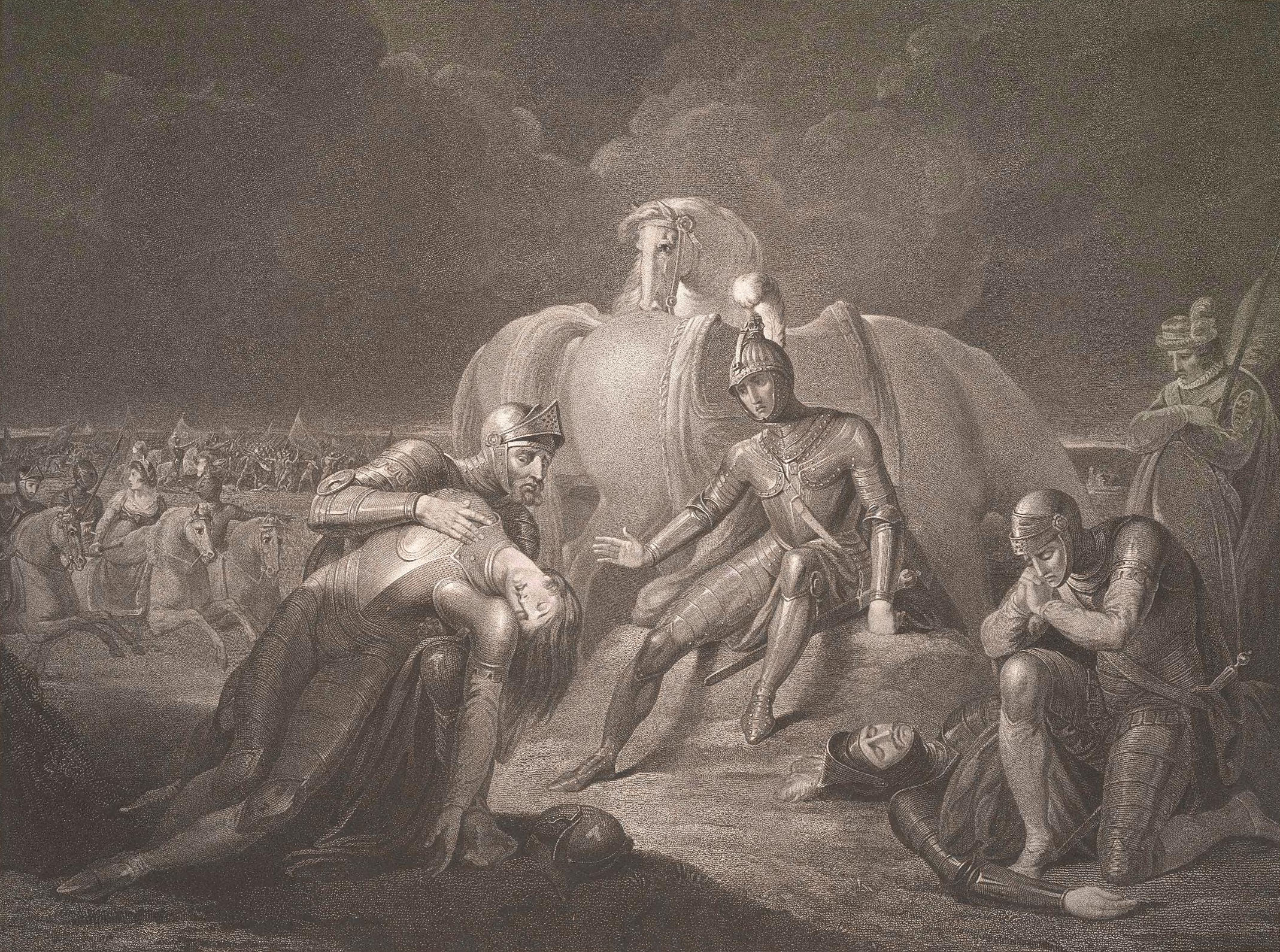
Henry VI, Act 2, Scene 5: Henry sees a father's grieving over the killing of his son, and a son's grieving over the killing of his father during the Battle of Towton, 1461. This engraving of a painting was published on 4 June 1794 by John & Josiah Boydell, Shakspeare Gallery Pall Mall, & No. 90, Cheapside.

Author: Artist: Josiah Boydell (1752–1817); Engraver: John Ogborne (1755–1837)[1][2]License:PD
Source
Henry VI, Act 2, Scene 5: Henry sees a father's grieving over the killing of his son, and a son's grieving over the killing of his father during the Battle of Towton, 1461.  This engraving of a painting was published on 4 June 1794 by John & Josiah Boydell, Shakspeare Gallery Pall Mall, & No. 90, Cheapside.

Henry VI, Act 2, Scene 5: Henry sees a father's grieving over the killing of his son, and a son's grieving over the killing of his father during the Battle of Towton, 1461. This engraving of a painting was published on 4 June 1794 by John & Josiah Boydell, Shakspeare Gallery Pall Mall, & No. 90, Cheapside.

Author: Artist: Josiah Boydell (1752–1817); Engraver: John Ogborne (1755–1837)[1][2]License:PD
Source
Henry VI, Act 2, Scene 5: Henry sees a father's grieving over the killing of his son, and a son's grieving over the killing of his father during the Battle of Towton, 1461.  This engraving of a painting was published on 4 June 1794 by John & Josiah Boydell, Shakspeare Gallery Pall Mall, & No. 90, Cheapside.

Henry VI, Act 2, Scene 5: Henry sees a father's grieving over the killing of his son, and a son's grieving over the killing of his father during the Battle of Towton, 1461. This engraving of a painting was published on 4 June 1794 by John & Josiah Boydell, Shakspeare Gallery Pall Mall, & No. 90, Cheapside.

Author: Artist: Josiah Boydell (1752–1817); Engraver: John Ogborne (1755–1837)[1][2]License:PD
Source
Map for the Battle of Towton.

Map for the Battle of Towton.

Author: Map: Jappalang Tree from above.svg by Setreset derivative work: M0ttyLicense:CC-BY-SA-4.0
Source
Карта Битвы при Таутоне

Карта Битвы при Таутоне

Author: JappalangLicense:CC-BY-SA-4.0
Source
Map for the Battle of Towton

Map for the Battle of Towton

Author: Map: Jappalang File:Tree from above.svg: SetresetLicense:CC-BY-SA-4.0
Source
Map for the Battle of Towton.

Map for the Battle of Towton.

Author: Map: Jappalang Tree from above.svg by Setreset derivative work: M0ttyLicense:CC-BY-SA-4.0
Source
Карта Битвы при Таутоне

Карта Битвы при Таутоне

Author: JappalangLicense:CC-BY-SA-4.0
Source
Map for the Battle of Towton

Map for the Battle of Towton

Author: Map: Jappalang File:Tree from above.svg: SetresetLicense:CC-BY-SA-4.0
Source
Map of the Battle of Towton with graves marked

Map of the Battle of Towton with graves marked

Author: Alexander D. H. Leadman (?–1908)[1]License:PD
Source
Reenactment actors assemble before Battle of Towton 2010
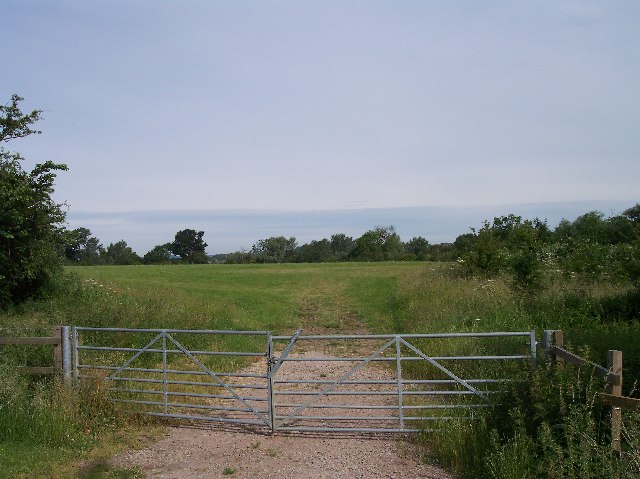
Reenactment actors assemble before Battle of Towton 2010

Author: William A DobsonLicense:CC-BY-SA-4.0
Source
Bloody Meadow. Many fleeing Lancastrians were killed here when fleeing from the Battle of Tewkesbury in 1471

Bloody Meadow. Many fleeing Lancastrians were killed here when fleeing from the Battle of Tewkesbury in 1471

Author: Bob EmbletonLicense:CC-BY-SA-4.0
Source
The battlefield of the Battle of Towton, 1461, looking from Dacre's Cross down to Bloody Meadow (lighter coloured field). On the far right is Castle Hill Wood.

The battlefield of the Battle of Towton, 1461, looking from Dacre's Cross down to Bloody Meadow (lighter coloured field). On the far right is Castle Hill Wood.

Author: Chemical EngineerLicense:PD
Source
Chantry Lane, Saxton Seen from the B1217, passing Castle Hill farm on the right. This is near the site of the Battle of Towton, one of the bloodiest battles of the Wars of The Roses, in 1461.

Chantry Lane, Saxton Seen from the B1217, passing Castle Hill farm on the right. This is near the site of the Battle of Towton, one of the bloodiest battles of the Wars of The Roses, in 1461.

Author: RichTeaLicense:CC-BY-SA-4.0
Source
Map of the Battle of Towton

Map of the Battle of Towton

Author: Cyril Ransome (1851–97)[1]License:PD
Source
The Earl of Warwick's Vow Previous to The Battle of Towton

The Earl of Warwick's Vow Previous to The Battle of Towton

Author: Henry Tresham (1751–1814)License:PD
Source
Map detailing the movements of the Yorkist and Lancastrian armies to the Battle of Towton (29 March 1461)
Map detailing the movements of the Yorkist and Lancastrian armies to the Battle of Towton (29 March 1461)

Author: DarafshLicense:CC-BY-SA-4.0
Source
William Neville, Lord Fauconberg, orders his archers to take advantage of the wind and advance closer to shoot at their Lancastrian enemies in the Battle of Towton.  This engraving was published in:  Doyle, James William Edmund (1864) "Edward IV" in     A Chronicle of England: B.C. 55 – A.D. 1485, London:  Longman, Green, Longman, Roberts & Green, pp. p. 407 Retrieved on 12 November 2010.

William Neville, Lord Fauconberg, orders his archers to take advantage of the wind and advance closer to shoot at their Lancastrian enemies in the Battle of Towton. This engraving was published in: Doyle, James William Edmund (1864) "Edward IV" in A Chronicle of England: B.C. 55 – A.D. 1485, London: Longman, Green, Longman, Roberts & Green, pp. p. 407 Retrieved on 12 November 2010.

Author: James William Edmund Doyle / Edmund EvansLicense:PD
Source
Henry VI, Act 2, Scene 5: Henry sees a father's grieving over the killing of his son, and a son's grieving over the killing of his father during the Battle of Towton, 1461.  This engraving was published in p. 194 of Thomas Hanmer's 1744 edition of Shakespeare's Henry VI.

Henry VI, Act 2, Scene 5: Henry sees a father's grieving over the killing of his son, and a son's grieving over the killing of his father during the Battle of Towton, 1461. This engraving was published in p. 194 of Thomas Hanmer's 1744 edition of Shakespeare's Henry VI.

Author: Hubert-François Gravelot (1699–1773)License:PD
Source
Henry VI, Act 2, Scene 5: Henry sees a father's grieving over the killing of his son, and a son's grieving over the killing of his father during the Battle of Towton, 1461.  This engraving was published in p. 194 of Thomas Hanmer's 1744 edition of Shakespeare's Henry VI.

Henry VI, Act 2, Scene 5: Henry sees a father's grieving over the killing of his son, and a son's grieving over the killing of his father during the Battle of Towton, 1461. This engraving was published in p. 194 of Thomas Hanmer's 1744 edition of Shakespeare's Henry VI.
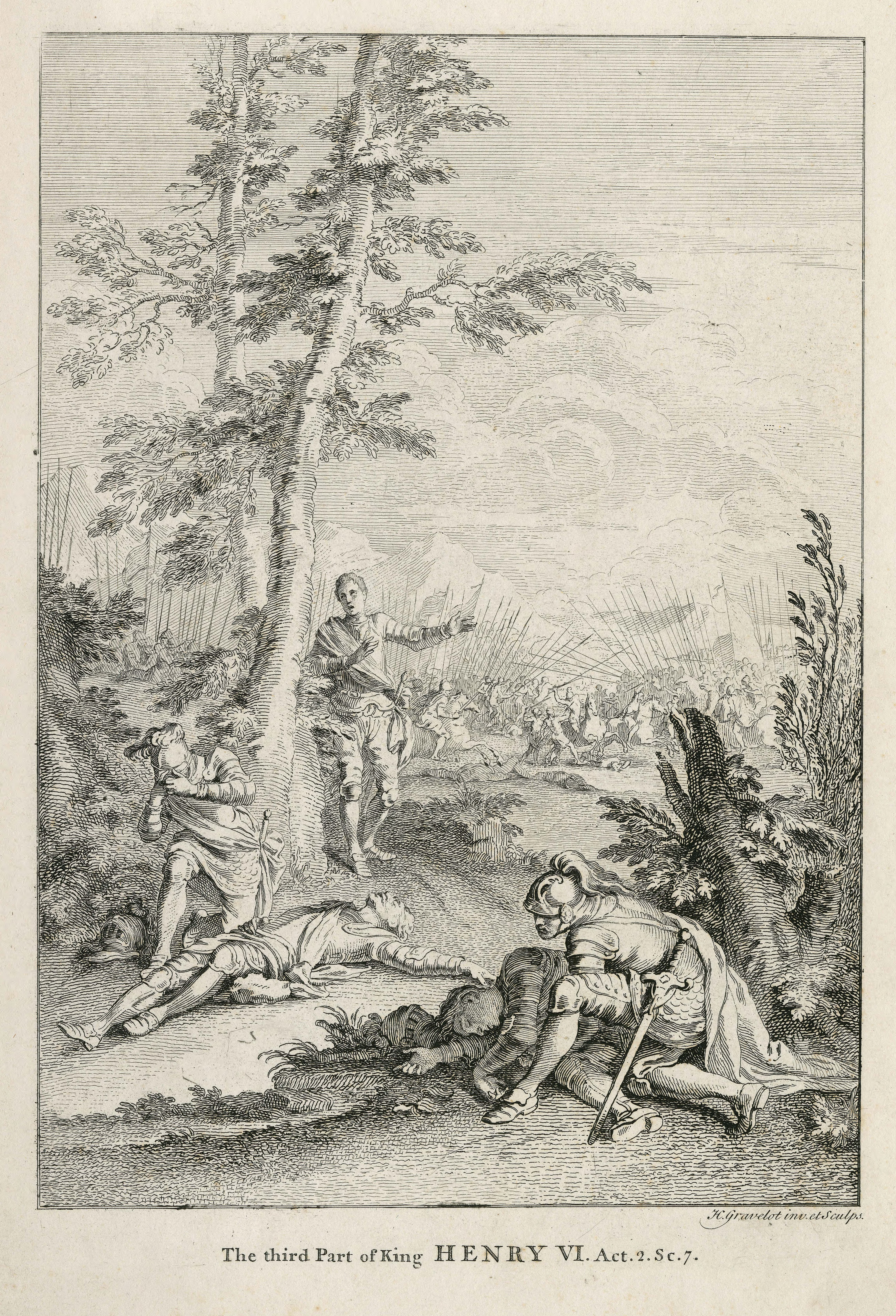
Author: Hubert-François Gravelot (1699–1773)License:PD
Source
Henry VI, Act 2, Scene 5: Henry sees a father's grieving over the killing of his son, and a son's grieving over the killing of his father during the Battle of Towton, 1461.  This engraving was published in p. 194 of Thomas Hanmer's 1744 edition of Shakespeare's Henry VI.

Henry VI, Act 2, Scene 5: Henry sees a father's grieving over the killing of his son, and a son's grieving over the killing of his father during the Battle of Towton, 1461. This engraving was published in p. 194 of Thomas Hanmer's 1744 edition of Shakespeare's Henry VI.

Author: Hubert-François Gravelot (1699–1773)License:PD
Source
Henry VI, Act 2, Scene 5: Henry sees a father's grieving over the killing of his son, and a son's grieving over the killing of his father during the Battle of Towton, 1461.  This engraving was published in p. 194 of Thomas Hanmer's 1744 edition of Shakespeare's Henry VI.

Henry VI, Act 2, Scene 5: Henry sees a father's grieving over the killing of his son, and a son's grieving over the killing of his father during the Battle of Towton, 1461. This engraving was published in p. 194 of Thomas Hanmer's 1744 edition of Shakespeare's Henry VI.

Author: Hubert-François Gravelot (1699–1773)License:PD
Source
Engraving of Edward IV extolls his troops to fight their Lancastrian foes at the Battle of Towton (29 March 1461).  This was first published in: Grant, James (1880) [1878] "Chapter XVI" in     British Battles on Land and Sea, Volume 1, London, Paris and New York:  Cassell Petter and Galpin, pp. p. 91 Retrieved on 25 November 2010.

Engraving of Edward IV extolls his troops to fight their Lancastrian foes at the Battle of Towton (29 March 1461). This was first published in: Grant, James (1880) [1878] "Chapter XVI" in British Battles on Land and Sea, Volume 1, London, Paris and New York: Cassell Petter and Galpin, pp. p. 91 Retrieved on 25 November 2010.

Author: Based on the signatures, engraved by Charles Oliver Murray(1842–1923)[1] after John Quartley (fl. 1835–67),[2]License:PD
Source
Richard Neville, 16th Earl of Warwick, Edward IV of England, and Richard III of England stand together in William Shakespeare's rendition of the Battle of Towton in Henry VI, Part 3.

Richard Neville, 16th Earl of Warwick, Edward IV of England, and Richard III of England stand together in William Shakespeare's rendition of the Battle of Towton in Henry VI, Part 3.

Author: John Augustus Atkinson (1775–1833)License:PD
Source

Historical Overview

The bloodiest battle on English soil, fought during a snowstorm.

Quick Facts

Outcome:Decisive victory for the House of York.

House of York

  • Commander: Edward IV.
  • Strength: ca. 25.000
  • Casualties: ca. 8.000

House of Lancaster

  • Commander: Henry Somerset
  • Strength: ca. 30.000
  • Casualties: ca. 20.000

Strategic Context

Decisive battle for supremacy following the coronation of Edward IV.

Conflict / War

Wars of the Roses

Victory for the House of York.

Related Literature

Cover of Der Bauernkrieg: Deutschlands großer Volksaufstand

Der Bauernkrieg: Deutschlands großer Volksaufstand

Peasants’ War16th CenturyMiddle Ages

German
Early Modern Period
Cover of Lexikon der Renaissance

Lexikon der Renaissance

RenaissanceNon-fictionEuropäische Geschichte

German
Early Modern Period

Historical Locations

Interactive map requires third-party cookie consent.