Battle of Poltava

Saddle of King Charles XII of Sweden. Russian trophy in Battle of Poltava
![[Übersetzung: Darstellung der berühmten Schlacht zwischen den russischen und schwedischen Heeren unter dem Oberkommando des Zaren über die russischen Truppen Peters I. und des Königs von Schweden Karl XII. über den Schweden ohnweit von Poltawa den 27. Juni 1709], Kupferstich](https://upload.wikimedia.org/wikipedia/commons/6/64/Abbildung_der_Schlacht_zwischen_den_russischen_und_schwedischen_Heeren_bei_Poltawa%2C_27._Juni_1709.jpg)
[Übersetzung: Darstellung der berühmten Schlacht zwischen den russischen und schwedischen Heeren unter dem Oberkommando des Zaren über die russischen Truppen Peters I. und des Königs von Schweden Karl XII. über den Schweden ohnweit von Poltawa den 27. Juni 1709], Kupferstich

Carl XII i slaget vid Pultava. Från "Teckningar ur Sveriges historia" av Carl Andreas Dahlström.

Зимний дворец, зал 156 - Ротонда. Трофеи Полтавского сражения
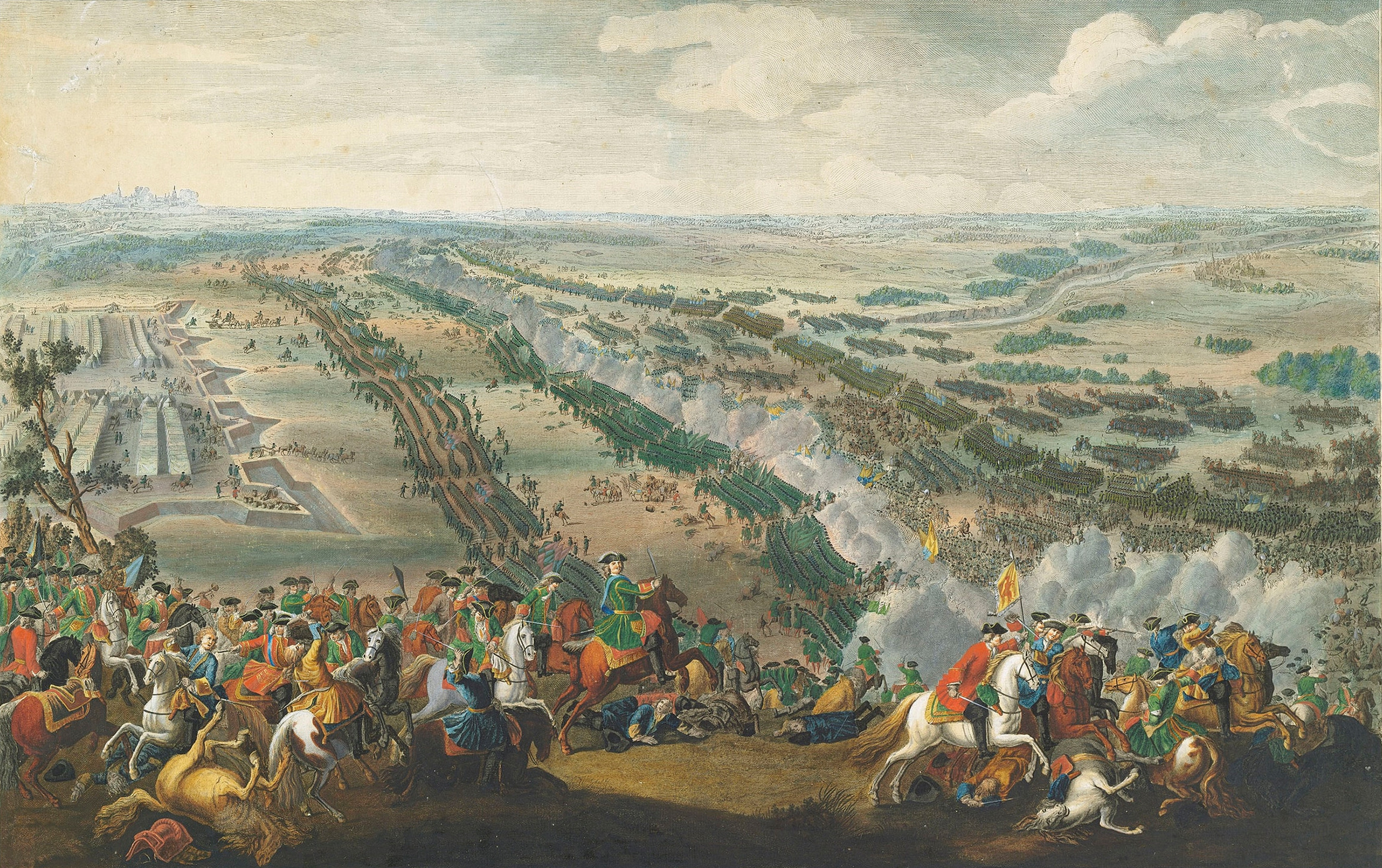
Battle of Poltava
300 years of Battle of Poltava. Historical reenactment. Peter and Paul Fortress, Saint-Petersburg, Russia, 2009.
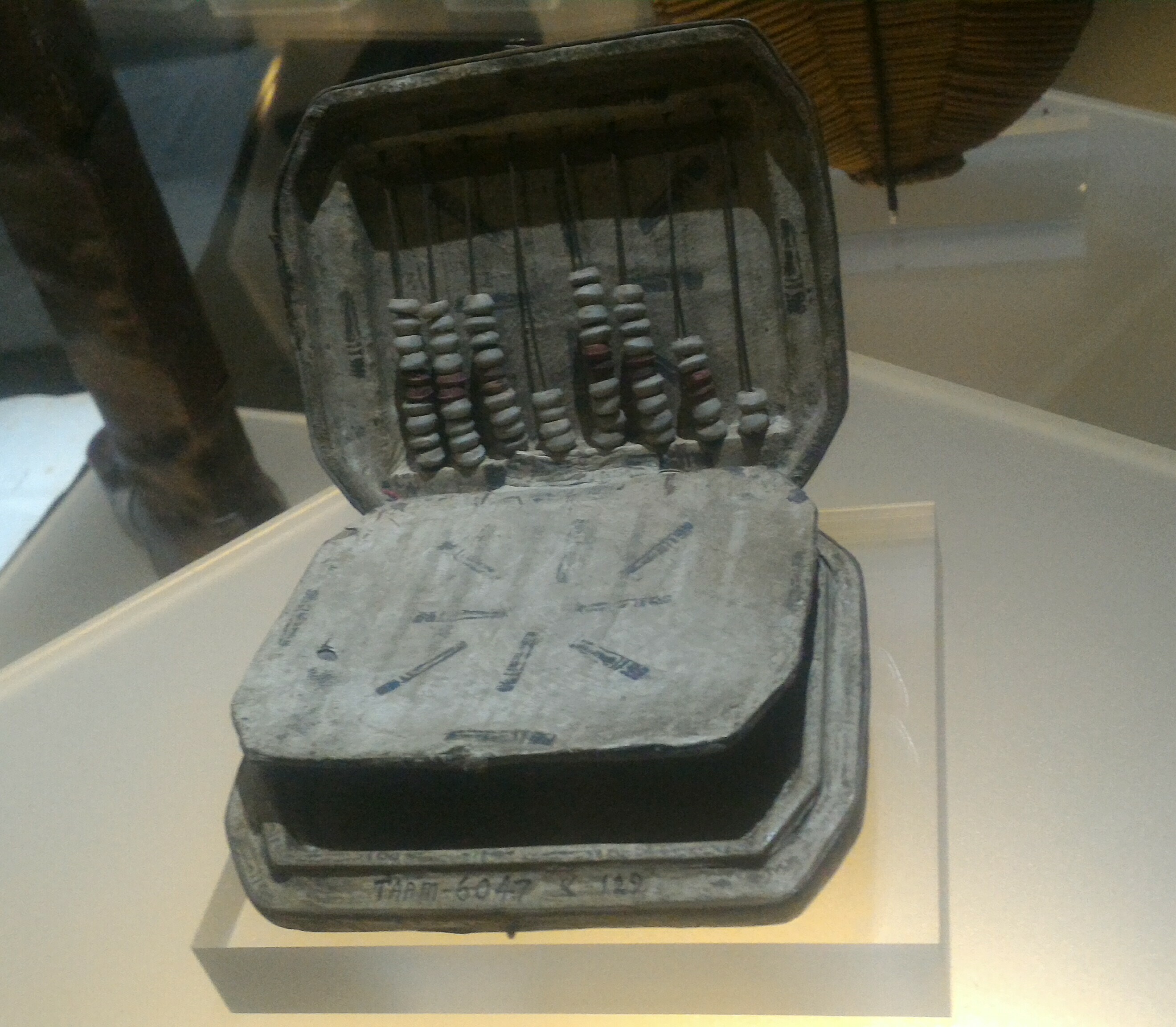
A mirror and abacus belonging to Hetman Mazepa. Early 18-th c.? Wood, leather, glass, bone. According to legend, the box was taken from Ivan Mazepa's (1639-1709) tent after Battle of Poltava in 1709. The wooden box has a framed mirror and an abacus with beads made of white and red bone. Mazepa wanted to unite Ukrainian territories into a single state. During the Great Northern War he initially supported Russia, but later changed sides and lost the Battle of Poltava alongside Swedish troops.

Copy of the icon in the village of Kaplunivka in Kharikiv, that was carried by the Russian army in the battle of Poltava 1709, Illustration in Alfred Jensens "Mazepa" (1909), page 156

King's colour Charles XII of Sweden

Kolomenskoe Museum Reserve in Moscow. Artillery barrels from the 18th century which were being used during the Poltava battle.

Kolomenskoe Museum Reserve in Moscow. Artillery barrels from the 18th century which were being used during the Poltava battle.

In the uniform from the times of Peter the Great of Russia.

"285 years since victory under Poltava". See http://en.wikipedia.org/wiki/Battle_of_Poltava" rel="nofollow">battle of Poltava Giving a salute from some antique short and wide-barreled handgun.

The Poltava Monument in Stockholm, Sweden

The Poltava Monument in Stockholm, Sweden

The Poltava Monument in Stockholm, Sweden

The Poltava Monument in Stockholm, Sweden

The Poltava Monument in Stockholm, Sweden
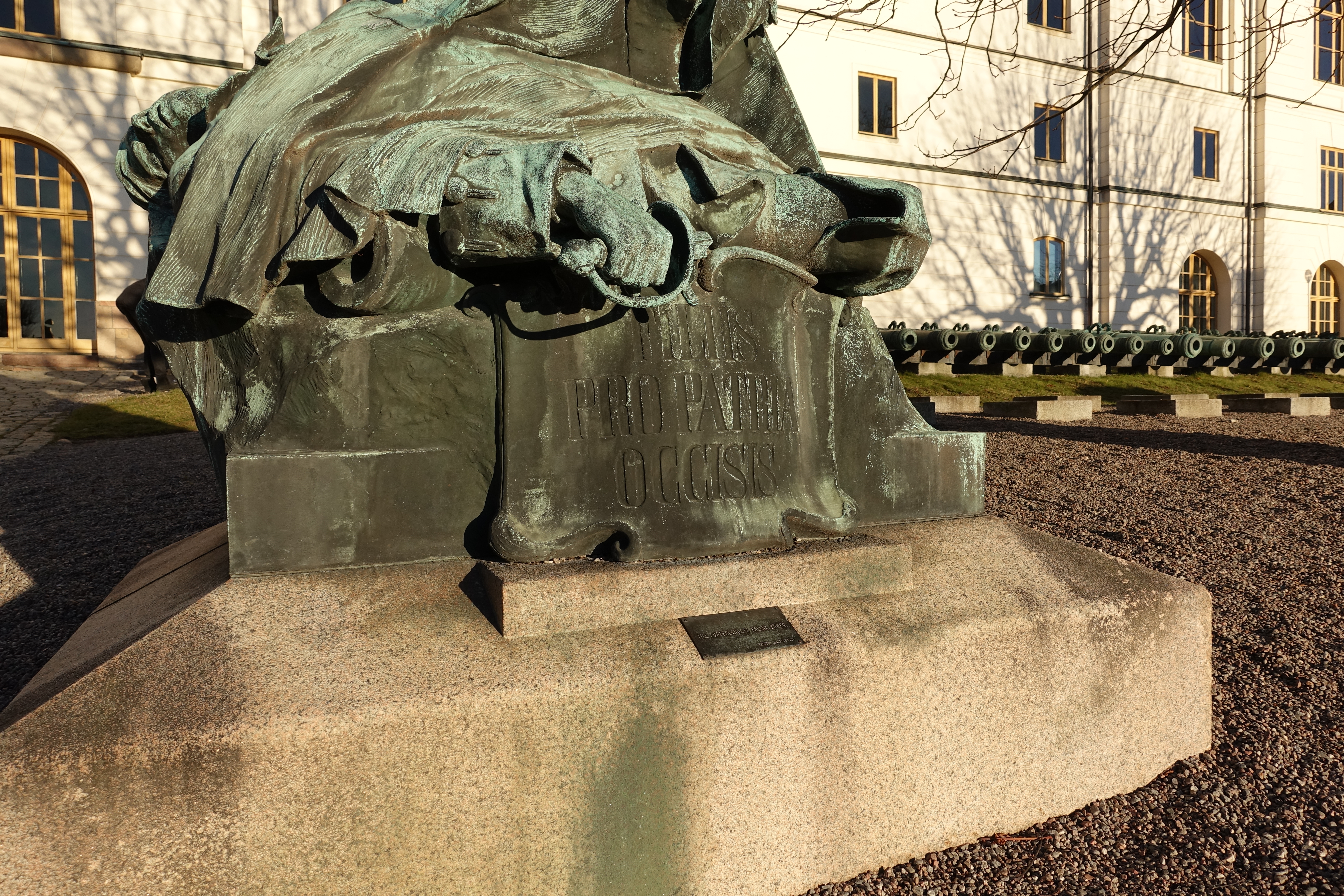
The Poltava Monument in Stockholm, Sweden

The Poltava Monument in Stockholm, Sweden

The Poltava Monument in Stockholm, Sweden

The Poltava Monument in Stockholm, Sweden

The Poltava Monument in Stockholm, Sweden

The Poltava Monument in Stockholm, Sweden

The Poltava Monument in Stockholm, Sweden
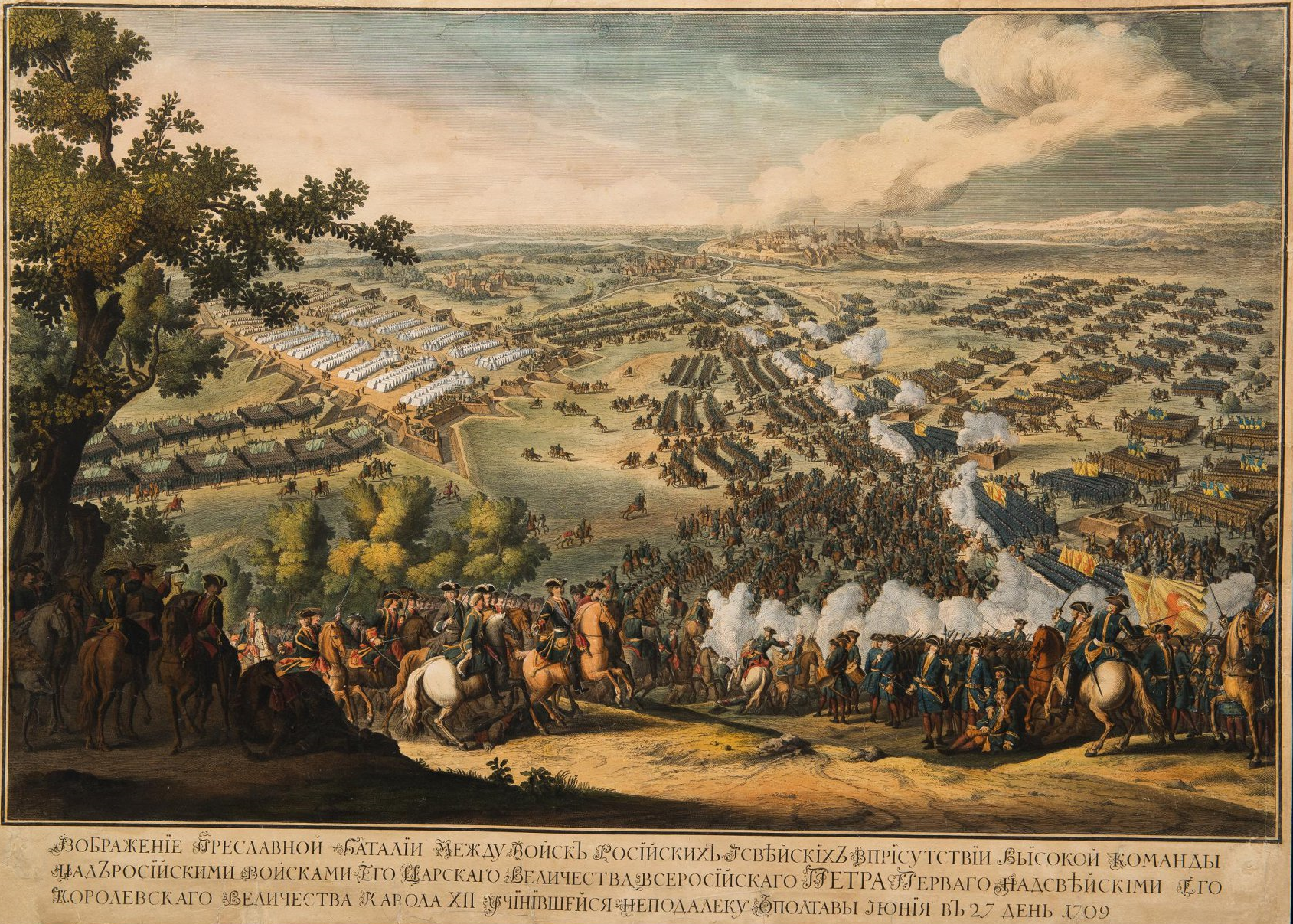
The Battle of Poltava. Engraving, 1725. Nicolas de Larmessin (1684-1755).
Historical Overview
The Battle of Poltava fought on 8 July 1709, was the decisive and largest battle of the Great Northern War. A Russian army under the command of Tsar Peter I defeated a Swedish army commanded by Carl Gustaf Rehnskiöld. The battle would lead to the Swedish Empire losing its status as a European great power and also marked the beginning of Russian supremacy in eastern Europe.
Quick Facts
Tsardom of Russia
- Commander: Peter I.
- Strength: ca. 42.000
- Casualties: ca. 4.500
Sweden & Saxony
- Commander: Karl XII. / Rehnskiöld
- Strength: ca. 17.000
- Casualties: ca. 10.000
Strategic Context
Decisive battle for supremacy in Eastern Europe.
Conflict / War
Great Northern War
Historical Locations
Interactive map requires third-party cookie consent.