Battle of Yarmouk

Mohammad adeel-day-6 phase-2
Batalha de Jarmuque.

Mohammad adeel-day-6 phase-3

Batalha de Jarmuque.

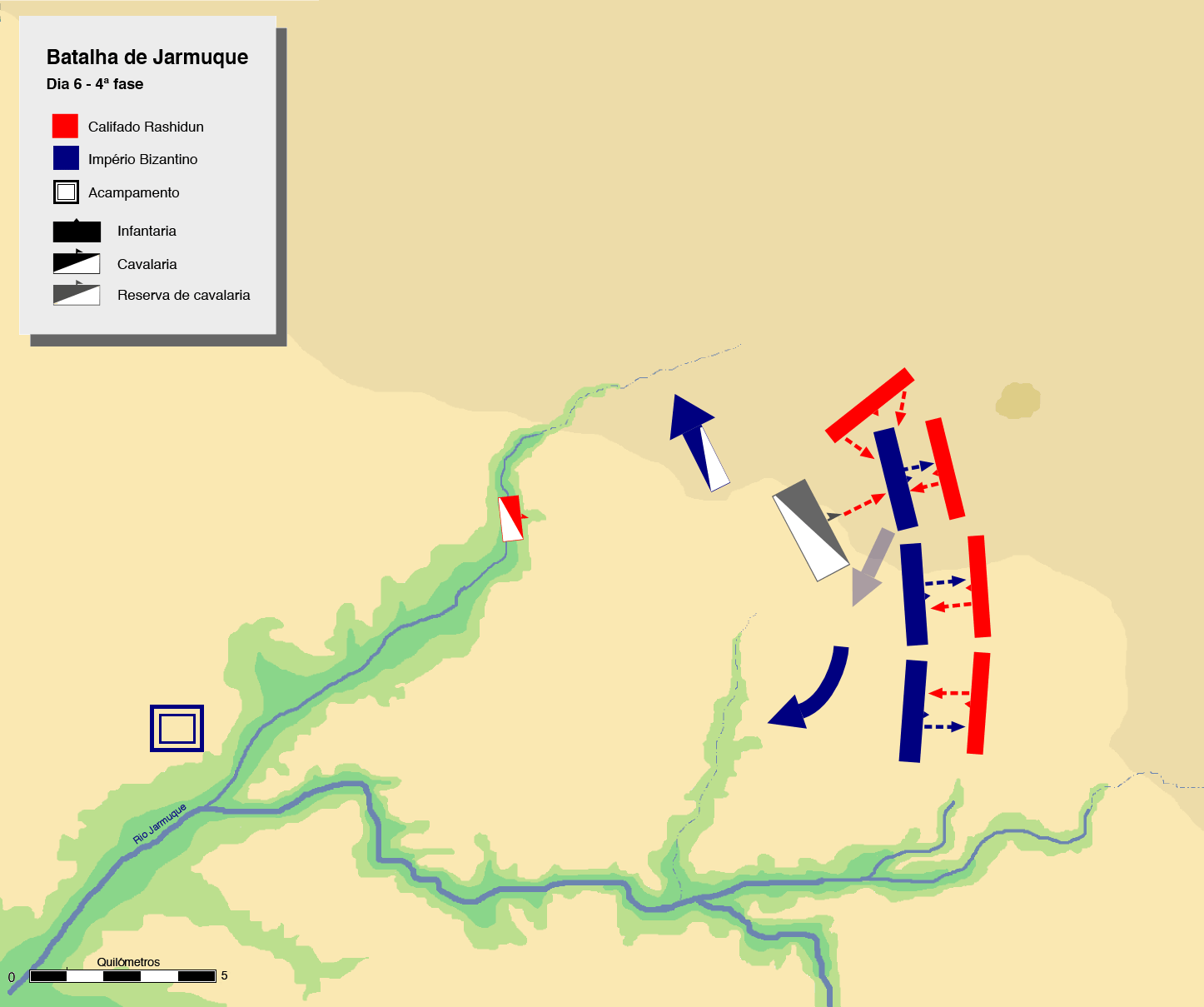
Mohammad adeel-day-6 phase-4

i draw this image myself for the article of Battle of Yermouk

i draw this image myself for the article of Battle of Yermouk

i draw this image myself for the article of Battle of Yermouk

i draw this image myself for the article of Battle of Yermouk

i draw this image myself for the article of Battle of Yermouk
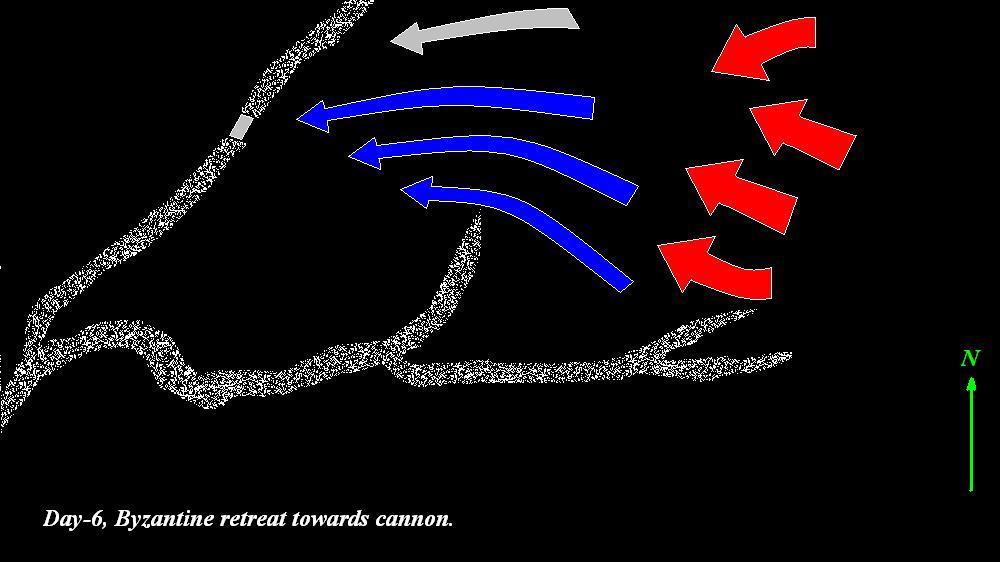
i draw this image myself for the article of Battle of Yermouk

i draw this image myself for the article of Battle of Yermouk

i draw this image myself for the article of Battle of Yermouk

i draw this image myself for the article of Battle of Yermouk
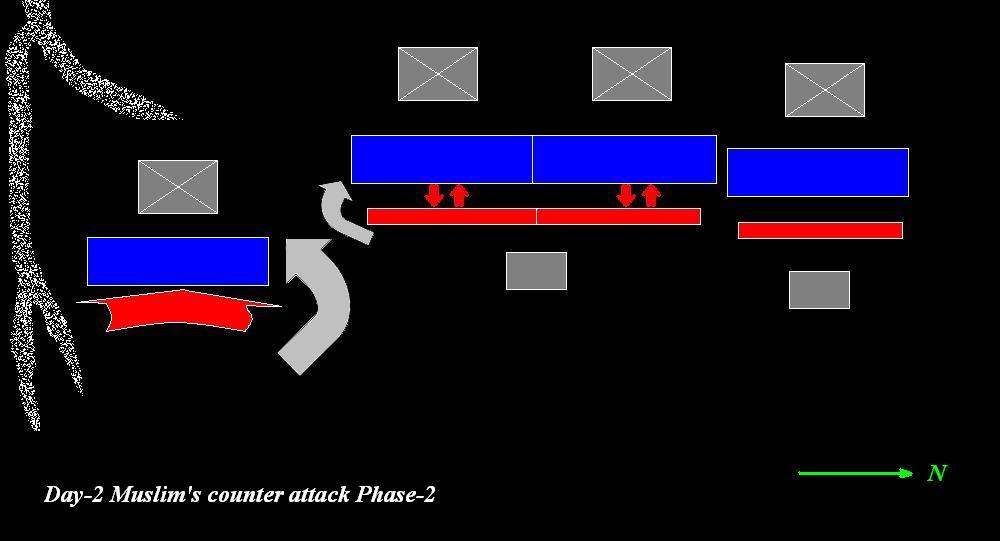
i draw this image myself for the article of Battle of Yermouk

Batalha de Jarmuque.

Batalha de Jarmuque.

Batalha de Jarmuque.

Batalha de Jarmuque.

Batalha de Jarmuque.

Batalha de Jarmuque.
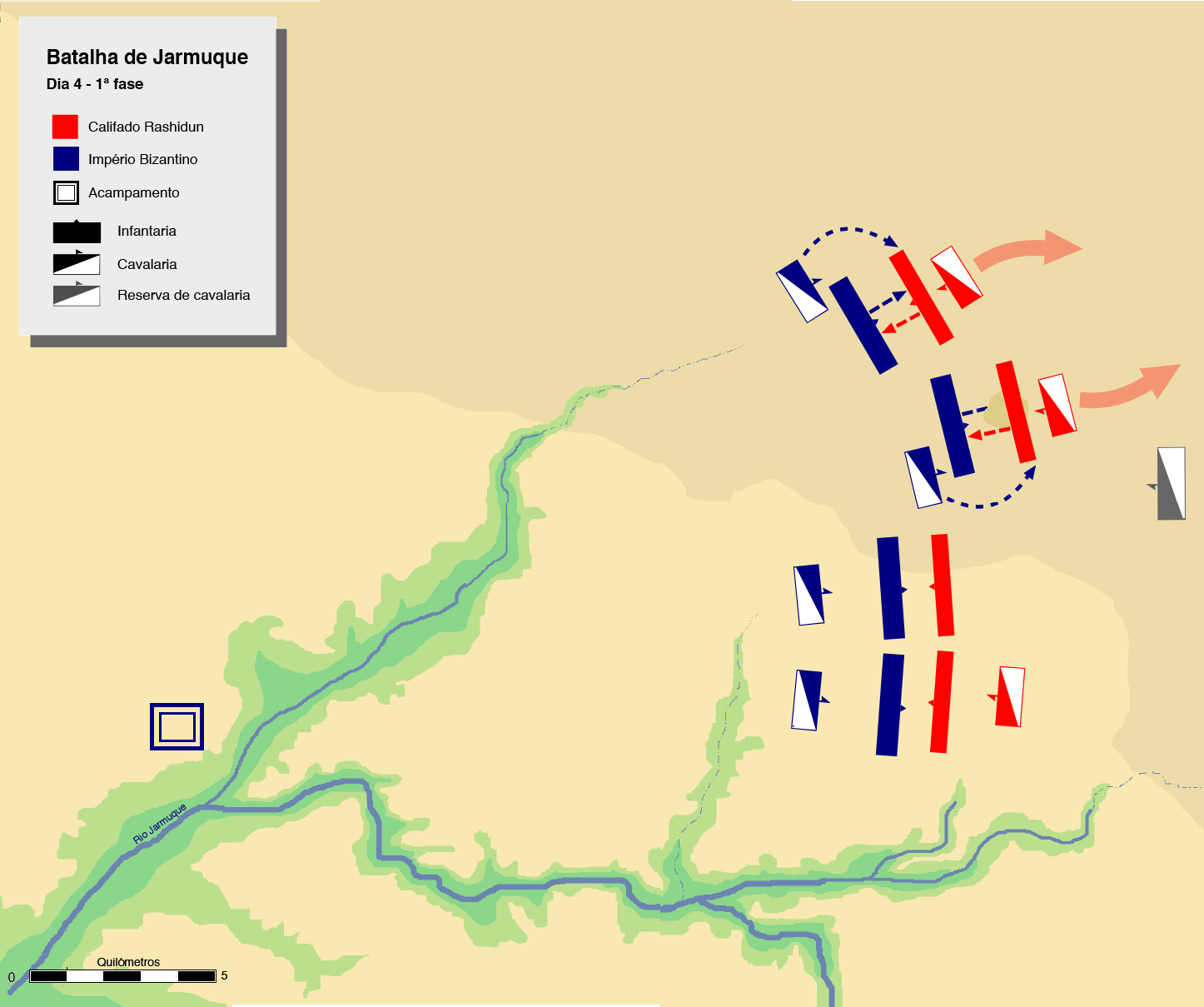
Batalha de Jarmuque.

Batalha de Jarmuque.

Batalha de Jarmuque.

Batalha de Jarmuque.

Batalha de Jarmuque.

battle of yarmouk, based on Kaegi, Walter Emil book , "Byzantium and the Early Islamic Conquests" ISBN 0521484553

the battle of yarmouk first day. based on Nicolle book Yarmuk 636 A.D.: The Muslim Conquest of Syria

Mohammad adeel-day-0

Mohammad adeel-day-1
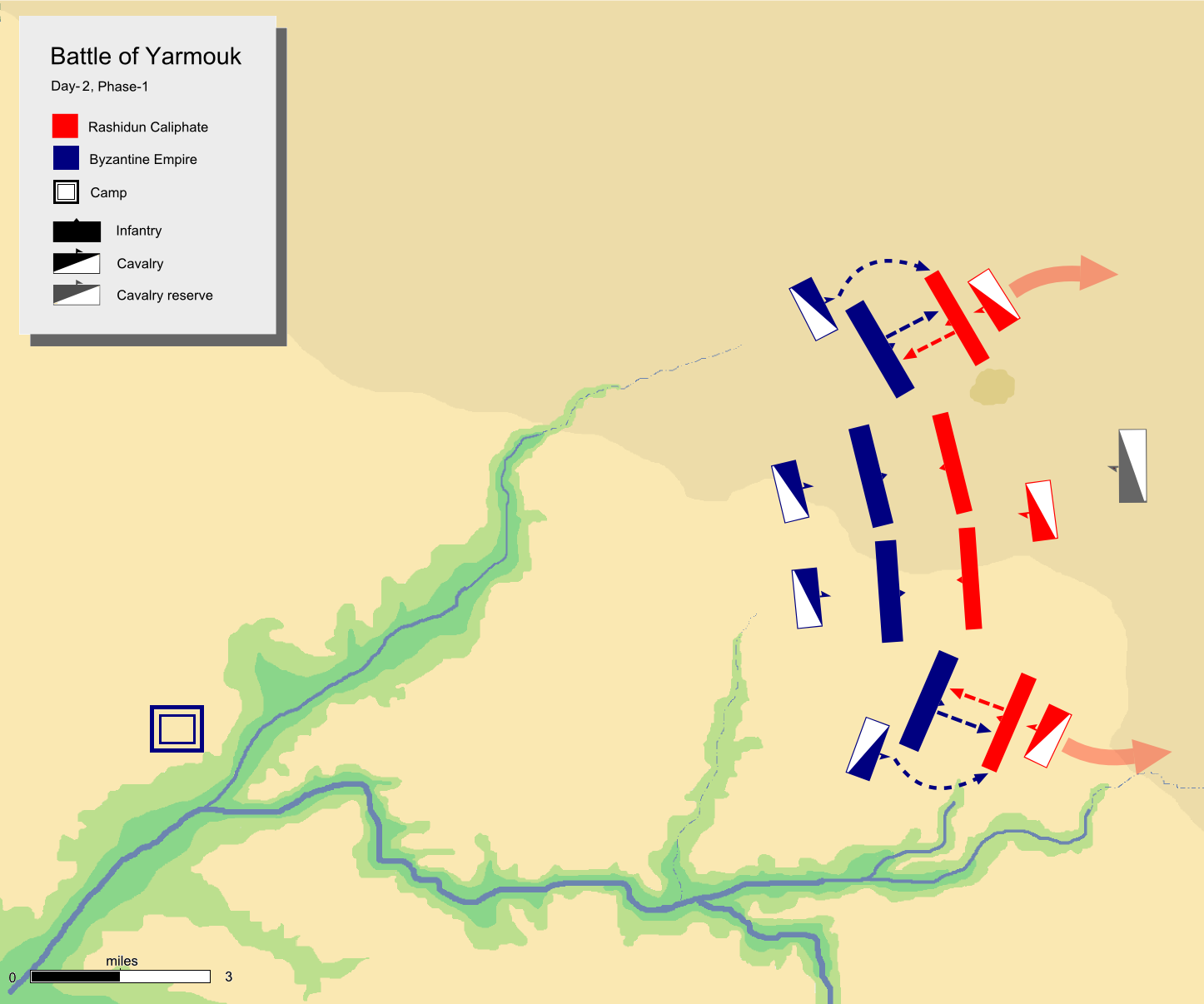
Mohammad adeel-day-2

Mohammad adeel-Day-2 phase-1

Mohammad adeel-Day-2 phase-2
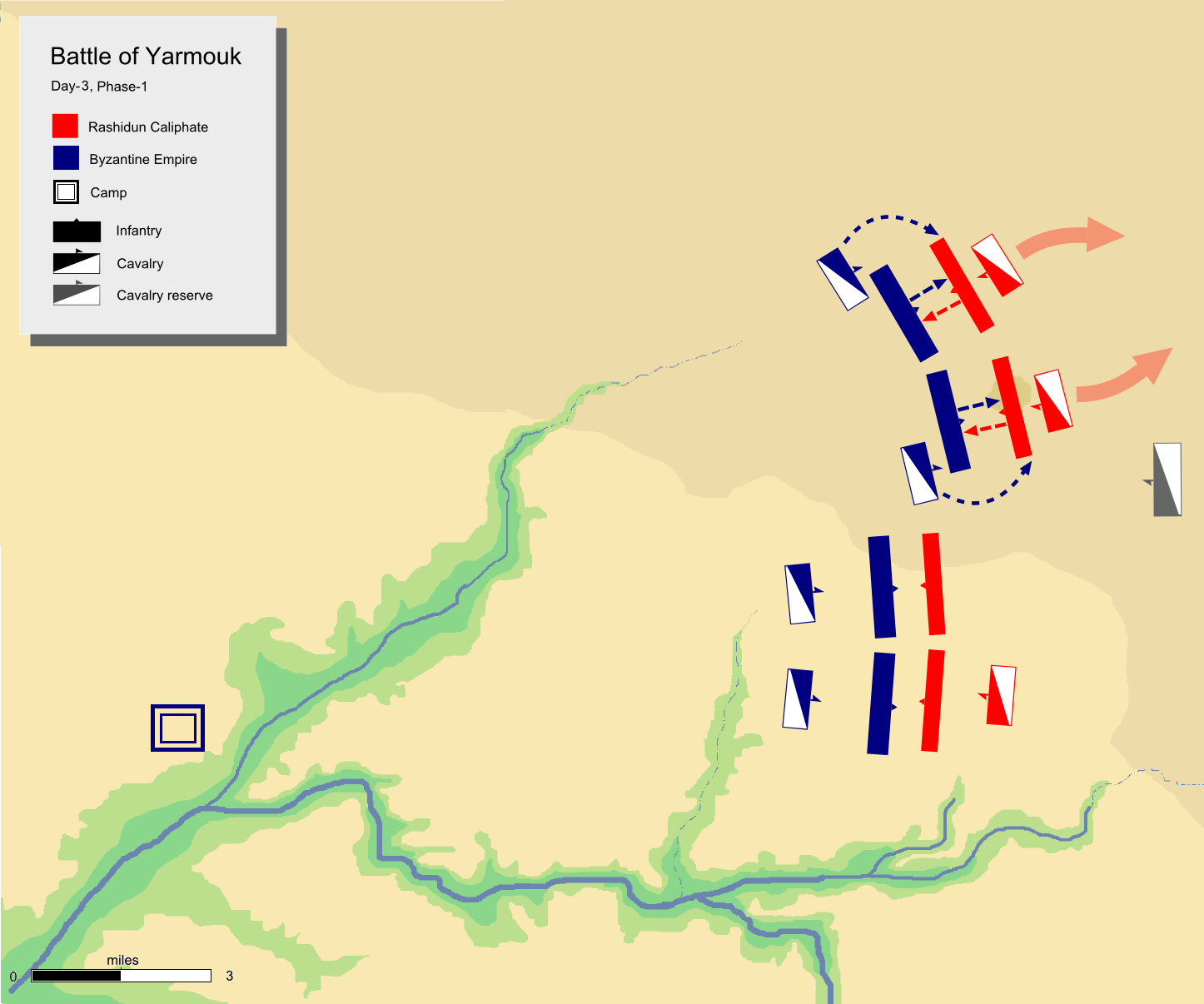
Mohammad adeel-Day-3

Mohammad adeel-Day-3 phase-2

Mohammad adeel-Day-4

Mohammad adeel-Day-4 phase-2

Mohammad adeel-day-5

Mohammad adeel-day-6 phase-1
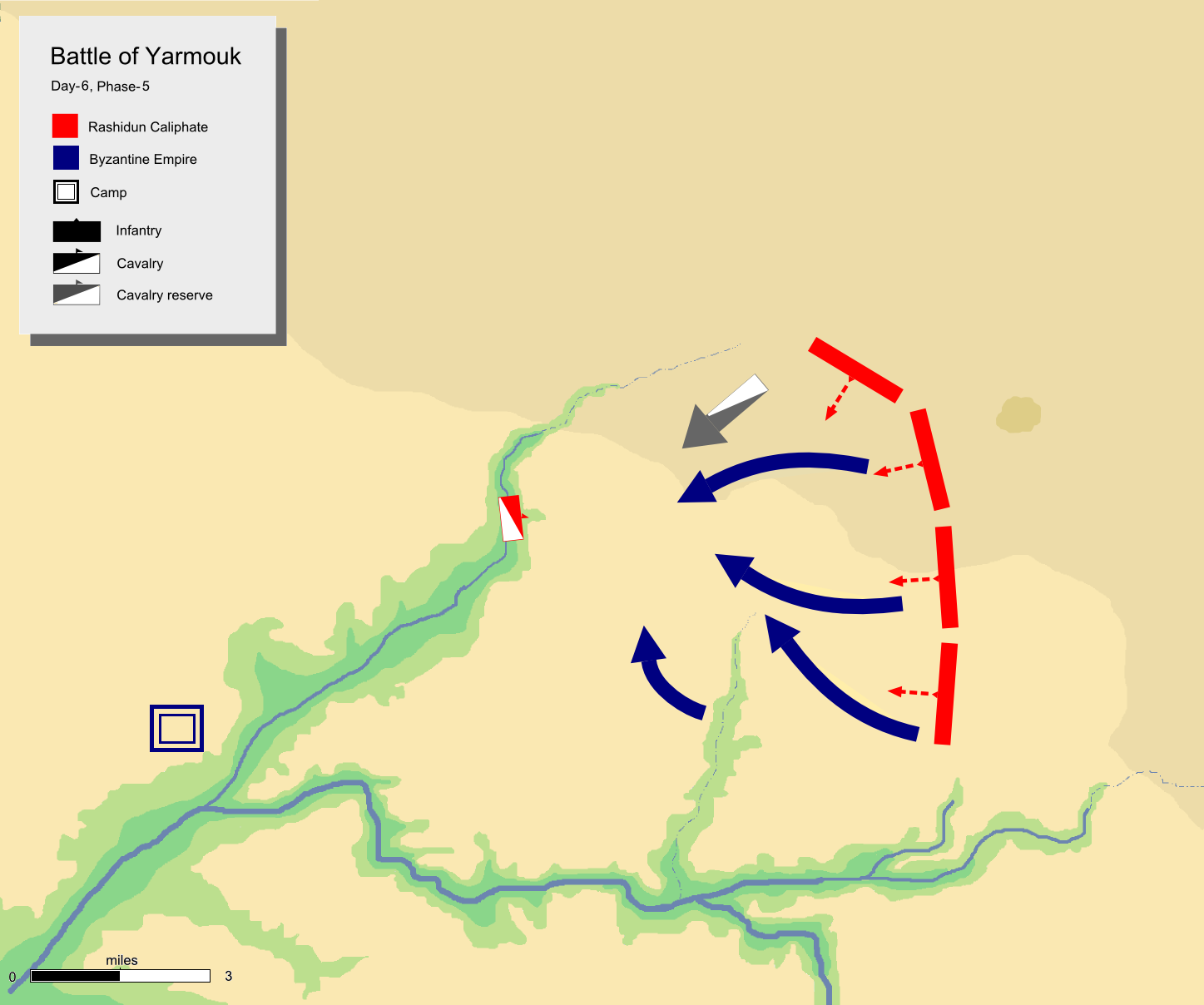
Mohammad adeel-day-6 phase-5

kataloniyalı illustrator tərəfindən çəkilmiş "yarmuk döyüşü" illustrasiyası
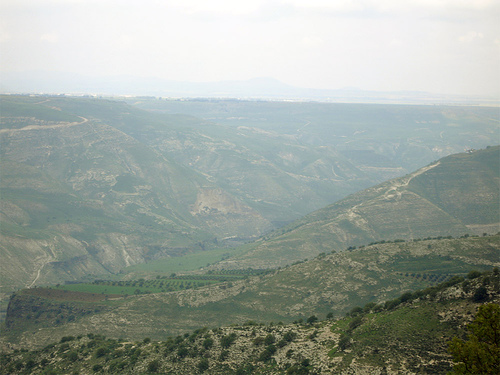
Across the ravines lies the battlefield of Yarmouk, a picture taken 8 miles from battlefield, from Jordan.
![Illustration of the Battle of Yarmouk (636) at the bottom of the page of BNF Nouvelle acquisition française 886 fol. 9v (early 14th century).
The Saracens are shown with a star and crescent banner, the Byzantines (anachronistically in Crusader era armour) with a star banner. Note that the banner designs are not attributed to factions with any consistency by this illustrator: The star and crescent is also shown as carried by the Mongols in foll. 22r, 32v, 34r, 35v). For a later (mid 14th-century) copy with more developed heraldry, see Vienna ÖNB Cod. 2623[1] fol. 15r.
Hayton's (Faulcon's) text reads:
Lors manda l'empereour Eracles grant secors de genz pour defendre la cité d'Antioche. Qant les genz de l'empereour Eracles furent parvenuz jusques à une plainure qui est nomée Possent (var.: Posserit), les Sarazins vindrent à l'encontre; e là fu comencée molt grant bataille que longuement dura; mès, à la fin, les Sarazins en orent la victoire, e tant gent furent ocis en cele bataille que encores y perent les ossements des seignors en celui champ. Dont il avint que les Grex, qui tenoient la cité d'Antioche, furent molt espoentés, e rendirent la terre as Sarazins par convenances. (La Flor des Estories de la Terre d'Orient II.1, ed. Dardel 1906, p. 137.)](https://upload.wikimedia.org/wikipedia/commons/d/d1/Hayton_BNF886_9v.jpg)
Illustration of the Battle of Yarmouk (636) at the bottom of the page of BNF Nouvelle acquisition française 886 fol. 9v (early 14th century). The Saracens are shown with a star and crescent banner, the Byzantines (anachronistically in Crusader era armour) with a star banner. Note that the banner designs are not attributed to factions with any consistency by this illustrator: The star and crescent is also shown as carried by the Mongols in foll. 22r, 32v, 34r, 35v). For a later (mid 14th-century) copy with more developed heraldry, see Vienna ÖNB Cod. 2623[1] fol. 15r. Hayton's (Faulcon's) text reads: Lors manda l'empereour Eracles grant secors de genz pour defendre la cité d'Antioche. Qant les genz de l'empereour Eracles furent parvenuz jusques à une plainure qui est nomée Possent (var.: Posserit), les Sarazins vindrent à l'encontre; e là fu comencée molt grant bataille que longuement dura; mès, à la fin, les Sarazins en orent la victoire, e tant gent furent ocis en cele bataille que encores y perent les ossements des seignors en celui champ. Dont il avint que les Grex, qui tenoient la cité d'Antioche, furent molt espoentés, e rendirent la terre as Sarazins par convenances. (La Flor des Estories de la Terre d'Orient II.1, ed. Dardel 1906, p. 137.)

Khalid ibn al-Walid fighting the Byzantines during the Battle of Yarmouk.

A drawing of General and prophet's companion Khālid ibn al-Walīd heading the Muslim Army during the battle of Yarmouk.

Yarmouk Battle Site,near by Yarmouk River, North of Jordan.
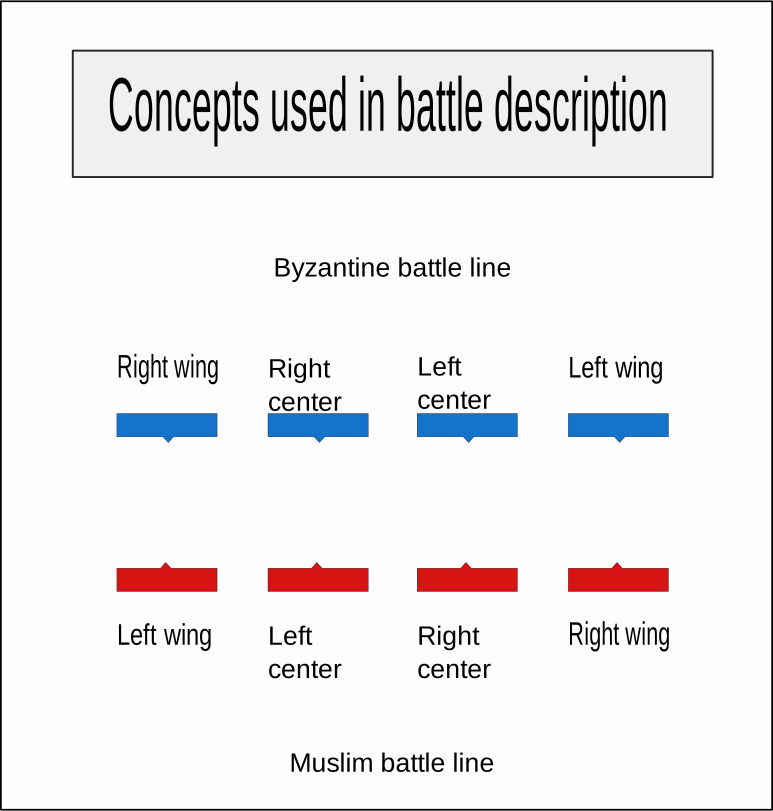
Concepts used in the description of the battlelines of the Muslims and the Byzantines in the Battle of Yarmouk.

Z Yarmouk Battle Field JO 12

Pole v Jarmúku, Jordánsko
Historical Overview
The Battle of the Yarmuk was a major battle between the Byzantine Empire and the Rashidun Caliphate near the Yarmouk River in Byzantine Syria that marked a crucial point in the Muslim conquest of Syria. The result of the battle was a decisive Arab victory that effectively ended Byzantine rule in Syria.
Quick Facts
Rashidun Caliphate
- Commander: Khalid ibn al-Walid
- Strength: ca. 25.000 - 40.000
- Casualties: Moderat
Byzantine Empire
- Commander: Vahan
- Strength: ca. 80.000 - 150.000
- Casualties: Enorm (fast totale Vernichtung)
Strategic Context
Decisive strike against Byzantium to clear the way for the conquest of Palestine and Egypt.
Conflict / War
Muslim conquests
Related Literature


1177 v. Chr.: Der erste Untergang der Zivilisation

Byzanz: Die erstaunliche Geschichte eines mittelalterlichen Imperiums

Das Mittelalter: Europa von 500 bis 1500

Die Karolinger

Im Mittelalter: Handbuch für Zeitreisende

Im Rausch des Vergnügens: Eine Reise in das England von Jane Austen und Lord Byron

Militärgeschichte des Mittelalters

Nach 1177 v. Chr.: Wie Zivilisationen überleben
Der ferne Spiegel: Das dramatische 14. Jahrhundert
Barbara Tuchman
Historical Locations
Interactive map requires third-party cookie consent.