Imjin War

Japanese Siege of Busanjin (1592)
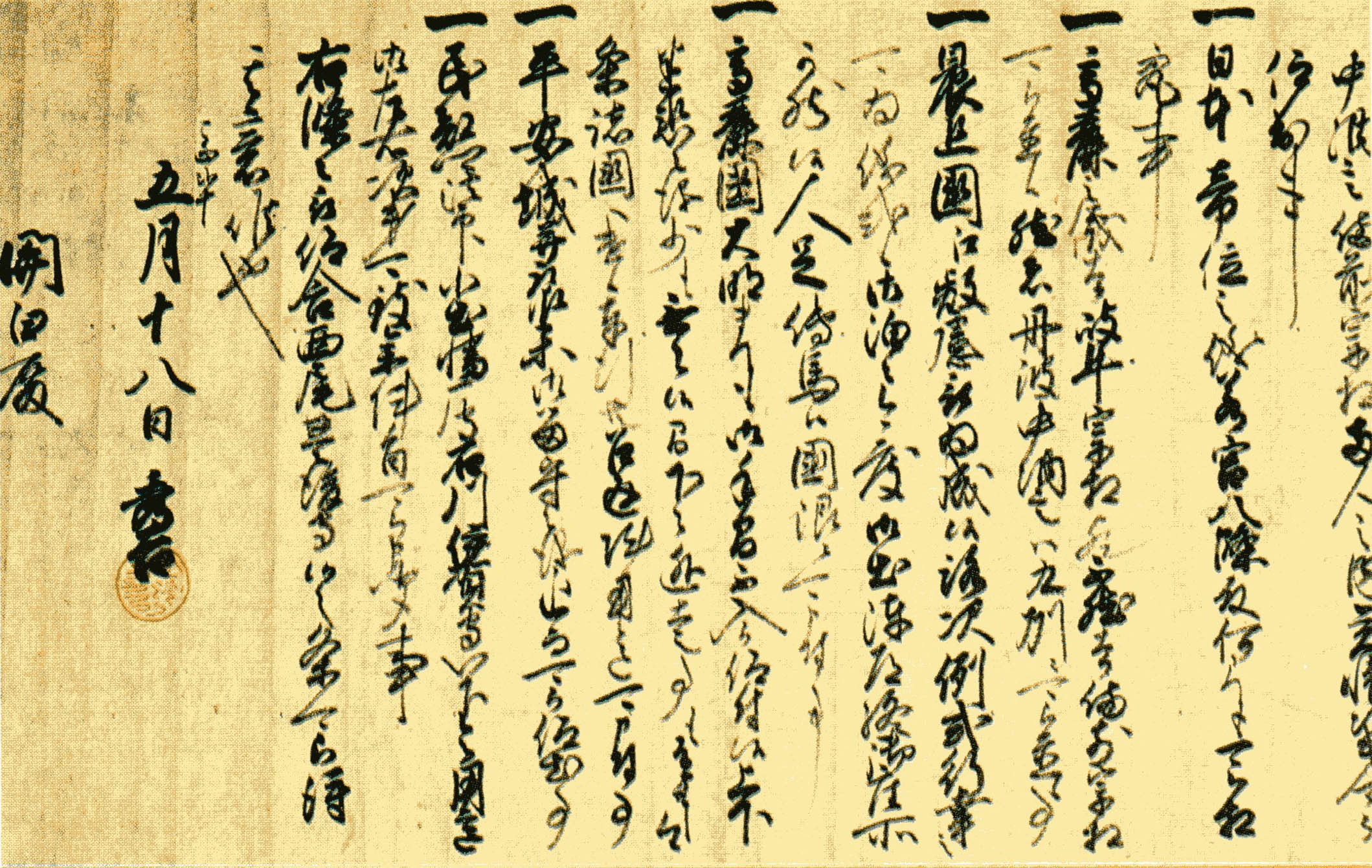
羽柴秀吉朱印状
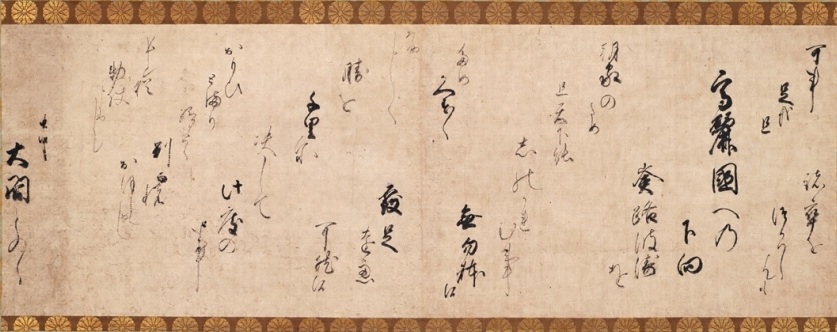
Hanging scroll, Ink on paper, Important Cultural Properties of Japan. This letter which Emperor Go-Yōzei wrote to Toyotomi Hideyoshi remonstrates for dispatching his own troops to Korea.

Битва при Хансандо

秀吉清正記念館蔵の明王贈豊太閤柵封文(みんおうぞうほうたいこうさくほうぶん)の複製。1593年(文禄2年)6月、豊臣秀吉は明に対し講和条件として朝鮮半島南部を日本領とするなどを要求したが、明の王が秀吉に出したこの文書では秀吉の要求は無視され「爾(なんじ)を封じて日本国王と為す(秀吉を日本国王に任命する)」と書かれていた。この後、明の使節は「日本軍が朝鮮に築いた城をすべて取り壊し、軍勢を完全撤退させよ」と要求。これに怒った秀吉は再び朝鮮出兵を命じた。原資料は大阪歴史博物館蔵。

秀吉清正記念館蔵の豊太閤葬送次第記(ほうたいこうそうそうしだいのき)。1598年(慶長3年)8月に豊臣秀吉は死去したが、朝鮮と交戦中で撤兵をスムーズに行うため、その死は4ヶ月以上秘密にされた。前田玄以らによって京都・東山の阿弥陀峰(あみだがみね)に葬られたが、直後に家臣団の対立が激化し、盛大な葬儀は行われなかった。それに不満を感じた人々が、あたかも盛大な葬儀が営まれ、大行列が編成されたかのように創作した架空の記録。

Simplified view of Namwonseong Fortress

망우정의 현판

Nanjunilgi Diary during Japanese invasions of Korea (1592–98) and Album of Caligraphy by Yi, Sunsin

북관도첩 일전해위도
Historical Overview
The Imjin War was a series of two Japanese invasions of Korea: an initial invasion in 1592 also individually called the "Imjin War", a brief truce in 1596 between the conflicts, followed by a second invasion in 1597 called the Chŏngyu War. The conflict ended in 1598 with the withdrawal of Japanese forces from the Korean Peninsula after a military stalemate in Korea's southern provinces.
Key Battles
Outcome & Quick Facts
Outcome
Decisive Japanese victory.
Related Literature

Der Bauernkrieg: Deutschlands großer Volksaufstand
