Battle of Kursk

World War II - Battle of Kursk 1943 - German Army Group South - Order of Battle Diagram

Troops of the 89th Belgorod-Kharkov Guards Rifle Division on the streets of recently recaptured Belgorod

Armeeabteilung Kempf unit marking during Unternehmen "Zitadelle".

Russland, Einheimischer in deutschen Diensten

Russland, Adelbert Schulz, Oberstleutnant der Panzertruppe

Russland, Generalmajor v. Hünersdorff
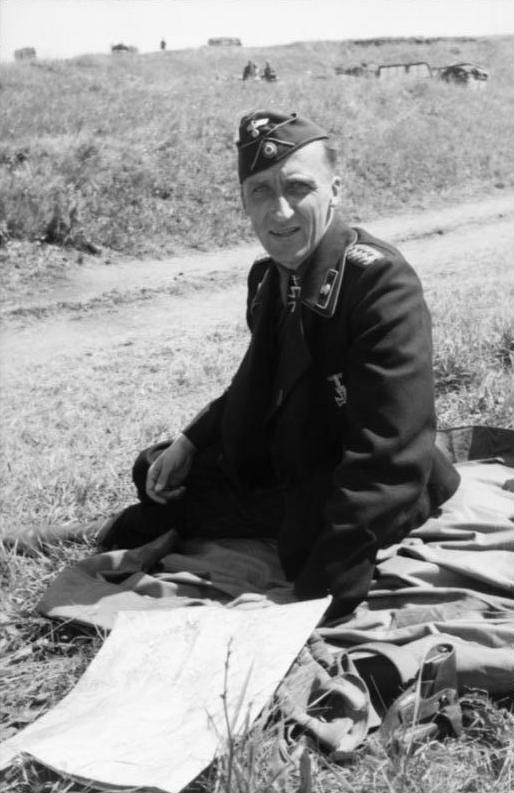
Russland, Generalmajor v. Hünersdorff

Russland, Treibstoff-Nachschub

Russland, Generalmajor v. Hünersdorff

Russland, Kampf- und Schützenpanzer

Russland, Unternehmen "Zitadelle", Funker

Russland, Unternehmen "Zitadelle", Fahrzeuge

Russland, zerstörter Zugkraftwagen mit Geschütz

Russland, Geschütz hinter Halbkettenfahrzeug

Russland, Unternehmen "Zitadelle", Infanterie

Russland, Soldat in Tarnjacke

Russland, Soldat in Tarnjacke

Russland, Infanterie in zerstörtem Ort

Russland, Infanterie in zerstörtem Ort

Russland, Unternehmen "Zitadelle", Lkw- Kolonne
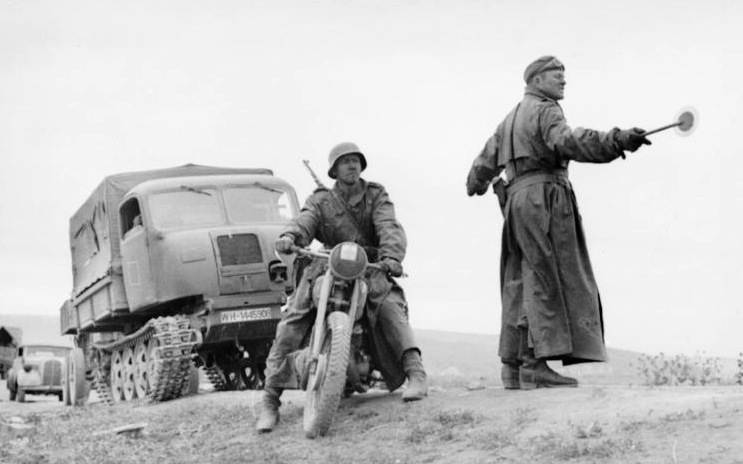
Russland, motorisierte Truppen

Russland, Unternehmen "Zitadelle", VW Kübelwagen

Russland, getarntes Zelt

Soviet troops of the Voronezh Front counterattacking behind T-34 tanks at Prokhorovka during the Battle of Kursk

Russland, Kampf- und Schützenpanzer

Russland, Unternehmen "Zitadelle", Kriegsgefangene
Historical Overview
The Battle of Kursk, also called the Battle of the Kursk Salient, was a major World War II Eastern Front battle between the forces of Nazi Germany and the Soviet Union near Kursk in southwestern Russia during the summer of 1943, resulting in a Soviet victory. The Battle of Kursk is the single largest battle in the history of warfare. It ranks only behind the Battle of Stalingrad several months earlier as the most often-cited turning point in the European theatre of the war. It was one of the costliest battles of the Second World War, the single deadliest armoured battle in history, and the largest tank battle in history. The opening day of the battle, 5 July, was the single costliest day in the history of aerial warfare in terms of aircraft shot down. The battle was further marked by fierce house-to-house fighting and hand-to-hand combat.
Quick Facts
Red Army
- Commander: K. Rokossowski
- Strength: 1900000
- Casualties: 180000
German Army
- Commander: Erich von Manstein
- Strength: 780000
- Casualties: 54000
Strategic Context
Last German major offensive in East.
Related Literature


Der Gulag

Die Schlacht um Berlin und das Ende des Dritten Reichs 1945

Hunde, wollt ihr ewig leben: ein Stalingrad-Roman

Roter Hunger: Stalins Krieg gegen die Ukraine

So weit die Füße tragen

Söldner ohne Sold: Die deutschen Freikorps 1918–1923

Vom Massensturm zur Stoßtrupptaktik: Die deutsche Landkriegtaktik im Spiegel von Dienstvorschriften und Publizistik 1906 bis 1918

Wir Wehr-Wölfe: Erinnerungen eines Freikorps-Führers

Zweiter Weltkrieg Erlebnisbericht Apokalypse Stalingrad: Untergang der 6. Armee 1942-1943
Walter Mönch
Rise And Fall Of The Third Reich
William Shirer
Historical Locations
Interactive map requires third-party cookie consent.